September 9, 2026
Home additions can enhance the financial value, physical comfort, and daily functionality of any residence. However, expanding a property's footprint is a complex endeavor often fraught with hidden structural, legal, and financial pitfalls that can lead to costly and time-consuming errors. Understanding these common mistakes ensures the difference between a seamless property transformation and a stressful, budget-draining ordeal. It is crucial for property owners to be thoroughly prepared, well-budgeted, and fully informed before breaking ground. By learning how to navigate planning challenges, hiring qualified contractors, and selecting durable materials, you can safeguard your investment and enjoy a smooth renovation process from start to finish.
Inadequate Planning and Design
One of the most significant mistakes property owners make is skipping professional consultations during the initial design phase. Architects, structural engineers, and licensed contractors bring essential trade expertise that directly influences the structural integrity and aesthetic flow of the project. Relying solely on casual DIY sketches often results in overlooking load-bearing requirements, plumbing runs, and electrical load capacities. Early professional consultations align a homeowner's creative vision with real-world building feasibility, preventing severe structural revisions later. Engaging experienced trade specialists early also ensures the expansion integrates seamlessly with the existing home's architectural lines rather than looking like an awkward, tacked-on box.
Failing to plan for future lifestyle changes represents another common oversight during home additions. Property owners often focus exclusively on immediate space requirements without considering how family dynamics, aging-in-place needs, or remote work demands might evolve over time. Furthermore, inaccurate physical measurements at the outset create severe cascading problems, leading to material waste, unexpected delays, and fitting errors. Rushing design choices to expedite construction backfires when cramped layouts or poor window placements become permanent fixtures. Taking time to fine-tune architectural plans, double-check precise site measurements, and verify local zoning setback requirements prevents legal disputes, municipal fines, or mandated teardowns of non-compliant structures.
Budget Mismanagement
Underestimating true construction costs is a frequent mistake that quickly derails home additions. Many homeowners calculate budgets based strictly on basic material estimates and initial labor quotes, overlooking essential line items like municipal permit fees, site excavation, utility hookups, and temporary living arrangements. Unrealistic budgeting creates severe financial strain once unpredicted construction hurdles arise. To prevent project standstills, financial experts recommend establishing a detailed, itemized cost estimate paired with a dedicated 15 to 20% contingency fund. This financial buffer ensures that unexpected subfloor rots, hidden wiring issues, or material price fluctuations can be resolved smoothly without halting work.
Failing to track ongoing job expenses meticulously allows costs to spiral out of control before structural framing is even complete. Utilizing dedicated tracking tools or spreadsheet logs ensures financial transparency and allows for timely adjustments if specific allowances run over budget. Additionally, choosing a contractor based solely on the lowest bid is often a false economy. Exceptionally low quotes frequently reflect compromised material quality, uninsured labor, or hidden fees that emerge later via change orders. Selecting an experienced builder who provides a detailed, legally binding contract protects both parties by outlining precise work scopes, material specifications, payment schedules, and realistic completion deadlines.
Hiring Unqualified Contractors
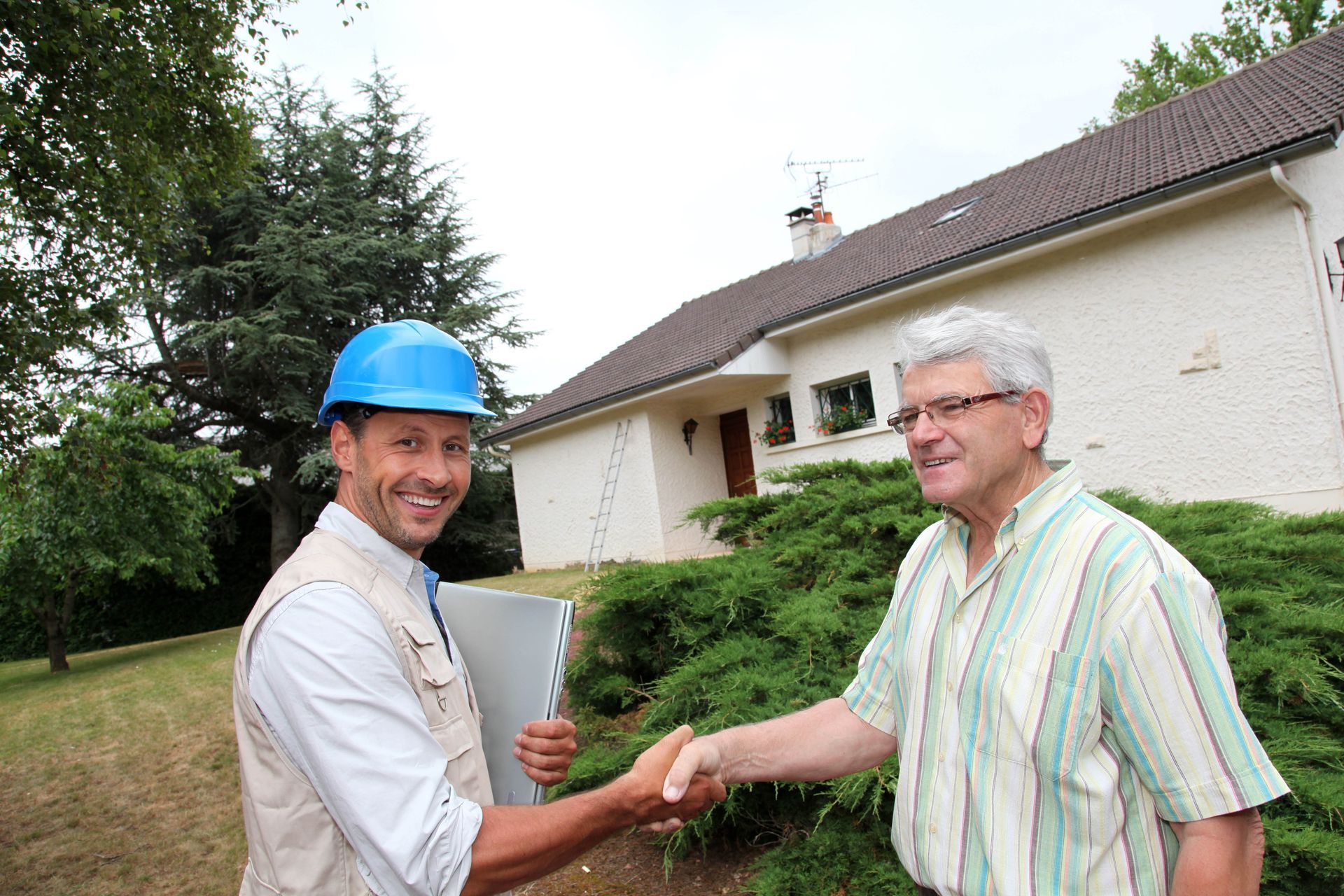
Hiring an unvetted builder for complex home additions frequently leads to substandard craftsmanship, structural failures, and legal liabilities. Neglecting to call professional references or review past job sites prevents homeowners from verifying a contractor's true skill level, work ethic, and timeline reliability. Furthermore, failing to verify active state licensing and comprehensive general liability insurance leaves property owners entirely exposed to financial loss if an on-site accident occurs or building codes are violated. Verifying trade credentials, active insurance coverage, and workers' compensation policies must remain a non-negotiable step during contractor selection.
Inadequate communication between homeowners and building crews introduces unnecessary friction and costly errors. Without clear, written expectations regarding daily working hours, site cleanup protocols, and material choices, costly misunderstandings arise. Establishing a firm project timeline supported by clear milestone deadlines keeps crews accountable and prevents drawn-out construction delays. Finally, working with a builder who refuses to provide a written warranty on their labor signals a lack of confidence in their craftsmanship. A comprehensive warranty guarantees that if structural settling, roof leaks, or mechanical issues manifest after completion, the contractor remains legally obligated to fix them.
Poor Material Choices
Prioritizing cheap materials over quality components to reduce immediate upfront expenses usually backfires over the service life of home additions. Low-grade siding, flimsy roofing, or cheap windows deteriorate rapidly under environmental stress, leading to high maintenance costs and premature replacement expenses. Investing in high-quality, durable building supplies enhances the structural longevity, weather resistance, and resale equity of your residence. Furthermore, using mismatched exterior materials, roofing colors, or window styles disrupts the home's cohesive curb appeal. Thoughtful design choices ensure that new exterior finishes blend naturally with the original building envelope.
Ignoring energy efficiency during material selection leads to uncomfortably drafty rooms and soaring monthly utility bills. According to a survey by LightStream, roughly 20% of homeowners are planning home additions. As energy costs rise, incorporating high-performance insulation, low-E multi-pane windows, and sustainable building wraps has become a top priority for smart property owners. Neglecting long-term material durability or choosing finishes that require constant painting, staining, or sealing creates an unnecessary maintenance burden. Opting for resilient, low-maintenance materials preserves the structural integrity and aesthetic beauty of your expansion for decades.
Underestimating Structural Changes
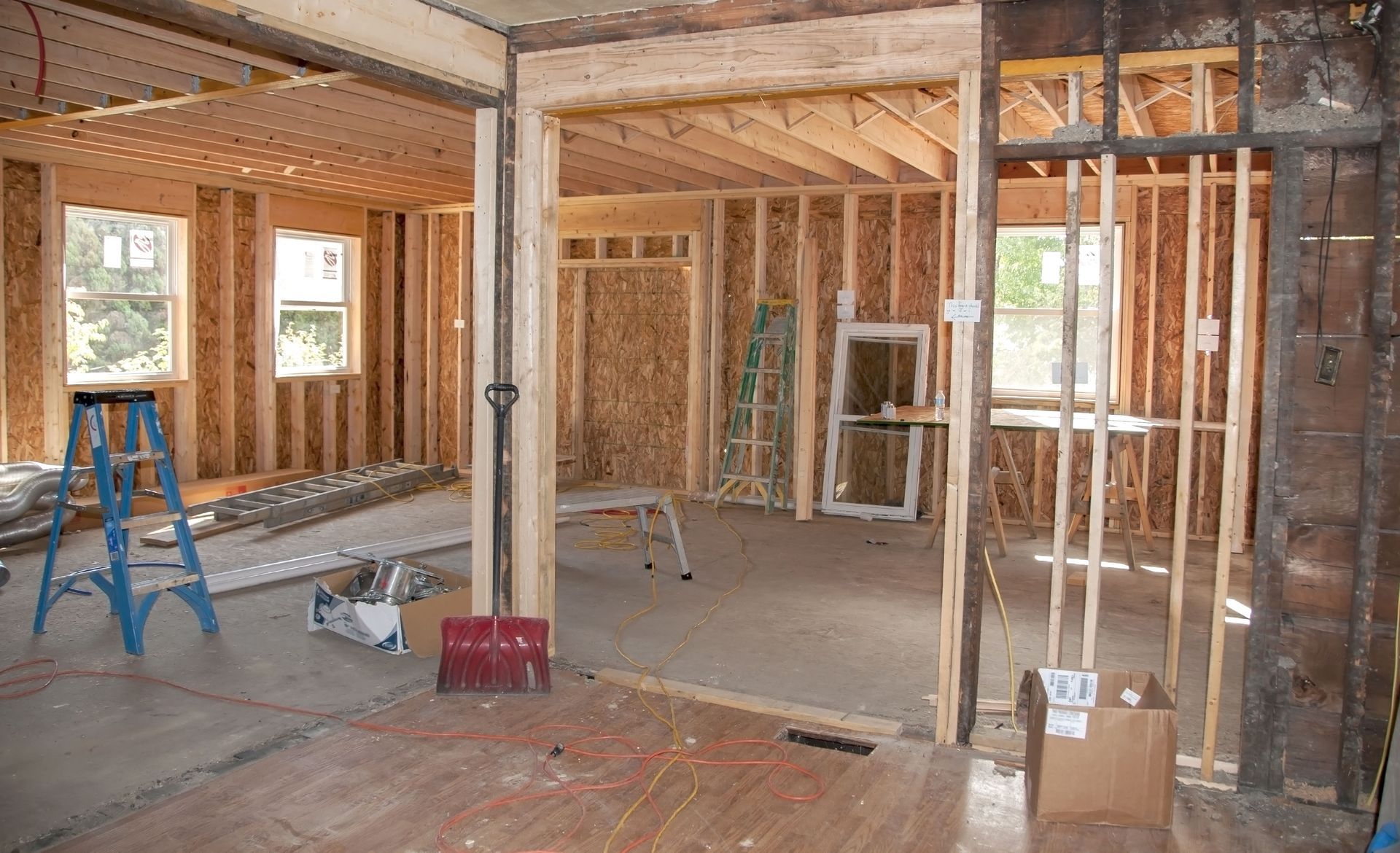
Underestimating how physical home additions impact existing structural systems can lead to catastrophic building failures. Removing or altering interior walls without verifying whether they are load-bearing threatens the structural stability of the entire house, risking ceiling sags or roof collapses. Similarly, failing to engineer a solid foundation that accounts for local soil conditions, frost lines, and structural weight leads to uneven settling, foundation cracking, and wall shear. Professional structural engineering assessments guarantee that new foundations and load paths are properly reinforced before framing begins.
Mechanical systems must also be evaluated and upgraded to support expanded living areas. Extending a home's square footage without adjusting HVAC capacity overtaxes existing heating and cooling units, resulting in uneven room temperatures, poor indoor air quality, and high utility bills. Similarly, failing to reinforce roof framing where new structures tie into existing rafters leads to severe water leaks and structural sagging under snow loads. Finally, expanding living space without upgrading your main electrical panel risks system overloads, frequent breaker trips, and dangerous fire hazards. Comprehensive mechanical upgrades guarantee that new rooms remain safe, well-lit, and thermally comfortable year-round.
Neglecting Environmental and Neighborhood Impact
Failing to consider landscape compatibility can result in an expansion that sits awkwardly on the property, disrupts natural yard drainage, or damages mature trees. A poorly planned build site can redirect rainwater runoff directly toward your foundation or neighboring yards, creating severe flooding issues. Furthermore, neglecting to inform neighbors about upcoming construction, heavy equipment deliveries, and noise expectations strains personal relationships and leads to formal noise complaints. Maintaining open, courteous communication with surrounding residents fosters goodwill and mitigates neighborhood friction during noisy construction phases.
Executing successful home additions requires a careful balance of visionary design, rigorous budgeting, skilled trade labor, and thorough structural engineering. By avoiding common mistakes like rushing design choices, hiring unvetted contractors, cutting corners on materials, and ignoring mechanical upgrades, property owners can protect their financial investment and avoid renovation nightmares. A well-planned expansion seamlessly blends form and function, delivering beautiful, flexible living space that serves your family for generations while significantly boosting property equity. When you are ready to expand your residence with expert craftsmanship, precise engineering, and transparent project management, rely on the proven team at Vercammen Contracting to build your dream addition with complete confidence.